
The Idea
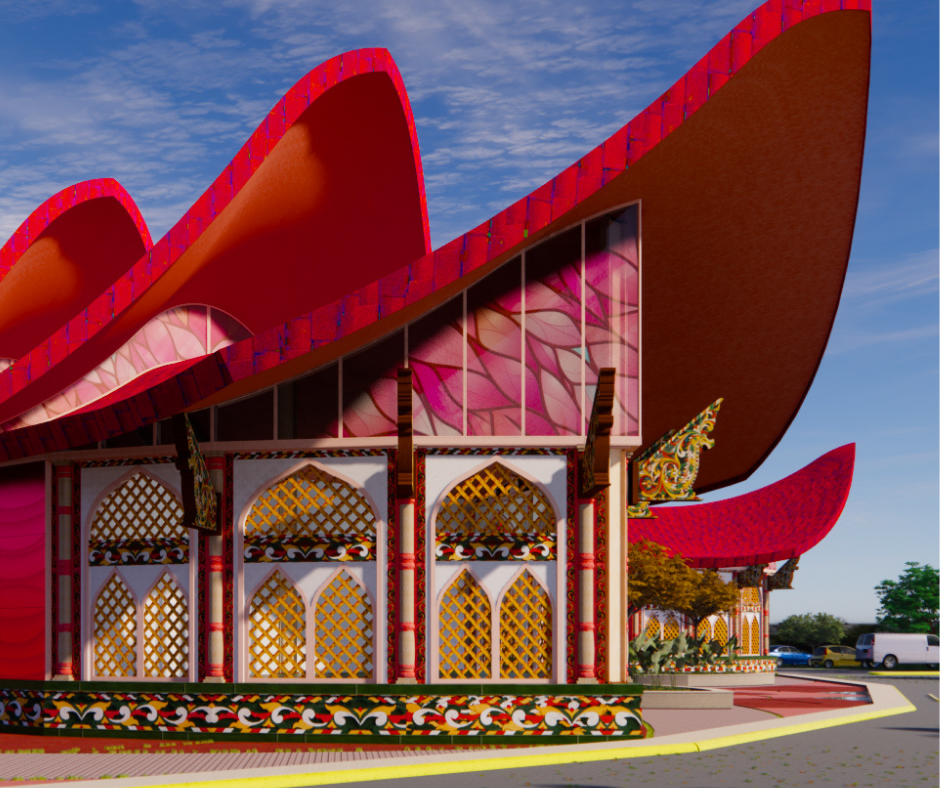
The MILG Academy Building emerges as a symbolic structure that reflects both the physical and cultural landscape of Bangsamoro. Inspired by the native lotus of Ligawasan Marsh, a vast wetland ecosystem spanning over 2,200 square kilometers across Cotabato, Maguindanao, and Sultan Kudarat, the design embraces the lotus as a metaphor for resilience, regeneration, and identity.
In Bangsamoro communities, the lotus is more than a botanical marvel. It has historically served as a food source in times of conflict and crisis, standing as a quiet testament to the people’s ability to endure and flourish. By drawing from this native plant, the architecture of the academy seeks to foster both beauty and meaning in its physical form.
Beyond the natural inspiration, the structure incorporates elements of Bangsamoro tangible heritage, including ornate motifs, rhythmic forms, and local craftsmanship. It positions the building as both a landmark and a statement of cultural pride.
The Challenge and Opportunity
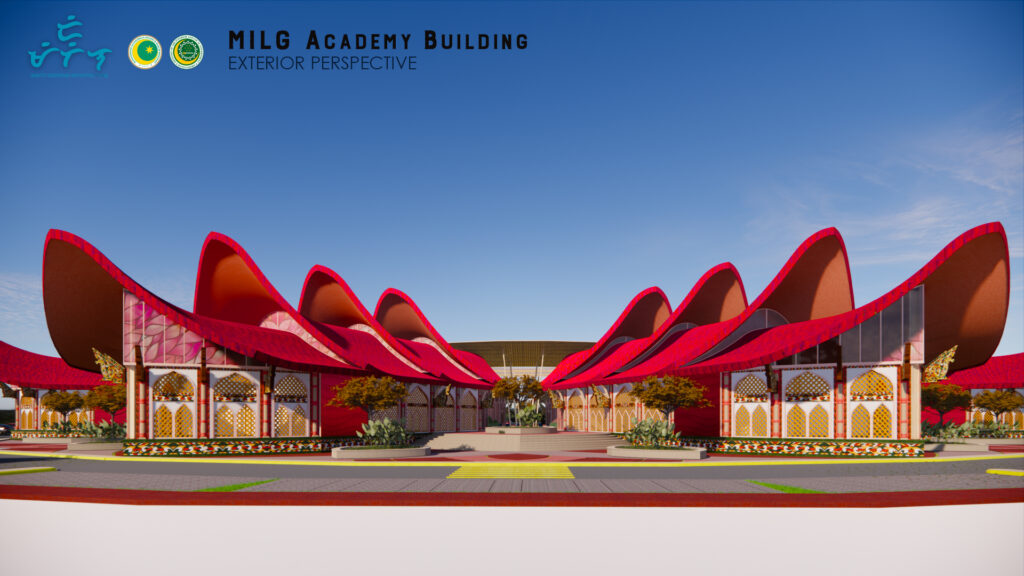
Located in Parang, Maguindanao, a region celebrated for its ethnic and cultural diversity, the MILG Academy Building is envisioned as the future learning hub for local governance across the Bangsamoro Autonomous Region.
The primary challenge was to design a facility that balances symbolism with functionality. As the training ground for local government officials and stakeholders, the academy needed to exemplify the very principles it aims to teach: transparency, accountability, participation, and responsiveness.
The building is more than a training center. It is a call to action to reimagine governance rooted in cultural identity, and to equip future leaders with practical tools and deep awareness of their heritage.
Design Principles
Transparency
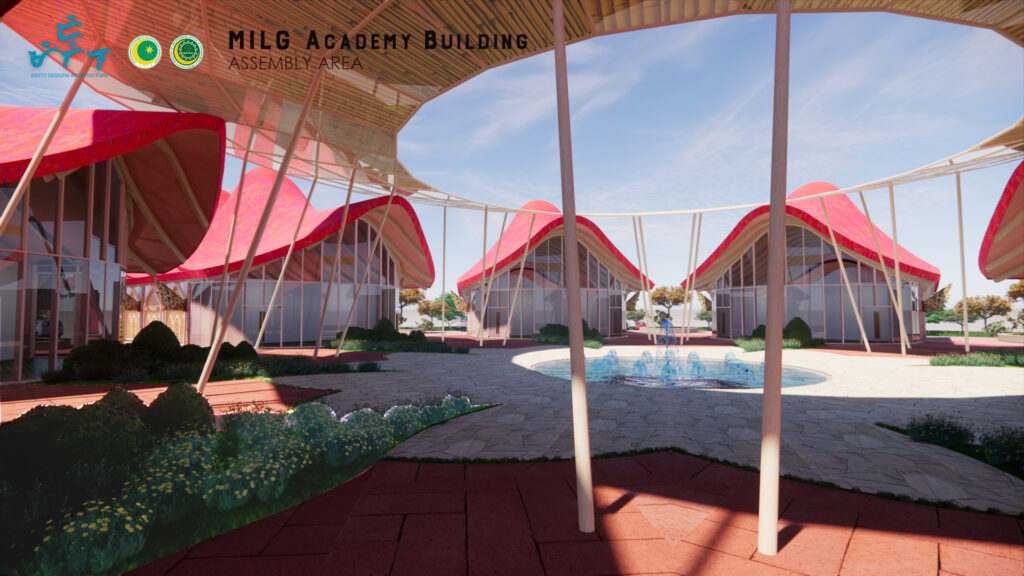
The site planning allows inter-visibility between key structures within the complex, with each building maintaining lines of sight that promote openness. This spatial transparency is amplified by the architectural use of glass and light-filtering patterned screens, reflecting the value of an open government. Daylight and ventilation flow seamlessly, creating a learning environment that feels both generous and clear.
Accountability
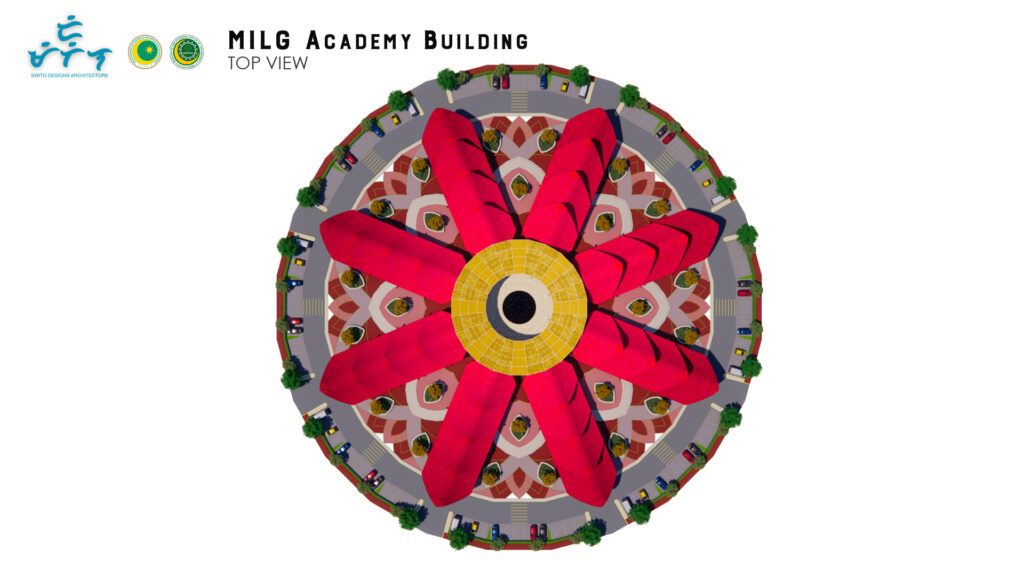
Spatial interdependence was a key design logic. Each structure was positioned to depend on the presence and orientation of the other, mirroring the moral and functional interdependence among governance institutions. The ensemble of forms feels cohesive, creating a sense of mutual responsibility and unity among the buildings.
Participatory Spaces
At the heart of the complex lies a water feature, a symbolic nod to the marshland origins of the lotus. This central axis forms a tranquil communal space that encourages organic conversations, collaboration, and idea exchange. Shaded walkways, gathering courtyards, and landscaped gardens create an environment that promotes inclusivity and shared purpose.
Cultural Integration and Aesthetic Strategy
The building’s sweeping red roofs evoke the petals of the lotus in bloom, creating a dramatic skyline silhouette. Embellished with traditional Bangsamoro patterns and carved details, the façades are not merely decorative. They embody stories, principles, and the richness of local identity.
The repetitive rhythm of the roofline reflects the diversity and unity of the communities it will serve. The undulating forms are not just sculptural expressions but serve as protective elements that shade and cool the spaces beneath. It is tropical functionality fused with visual storytelling.