
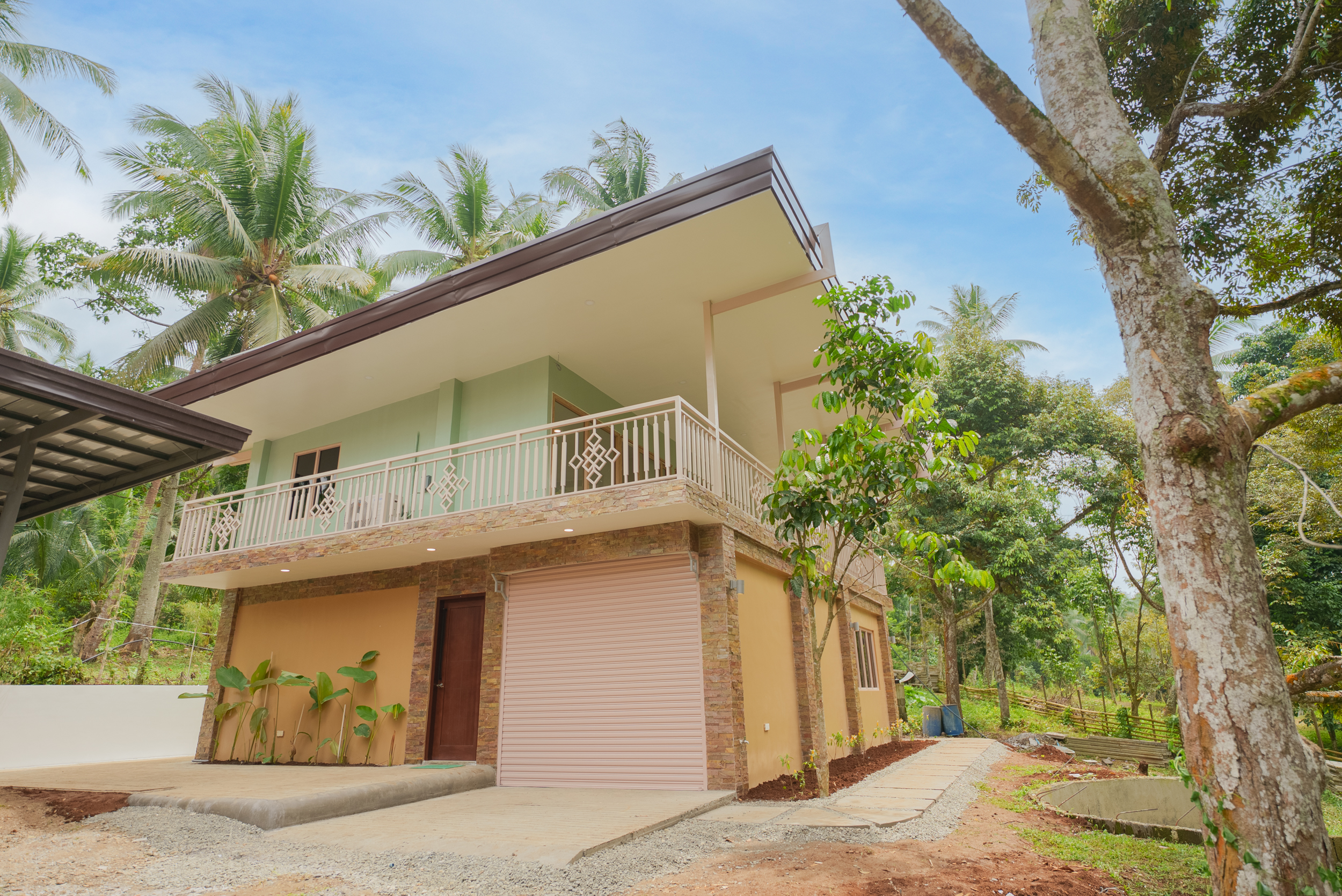
In the wide skies and fertile grounds of southern Mindanao, we envisioned a modest house that carries a radical idea. This Self-Sufficient House, sustained by sun, rain, and soil, is more than shelter—it is a statement. Could our homes live as lightly as forests do—providing for themselves, taking only what’s needed, and returning what they can?
Culture as Foundation
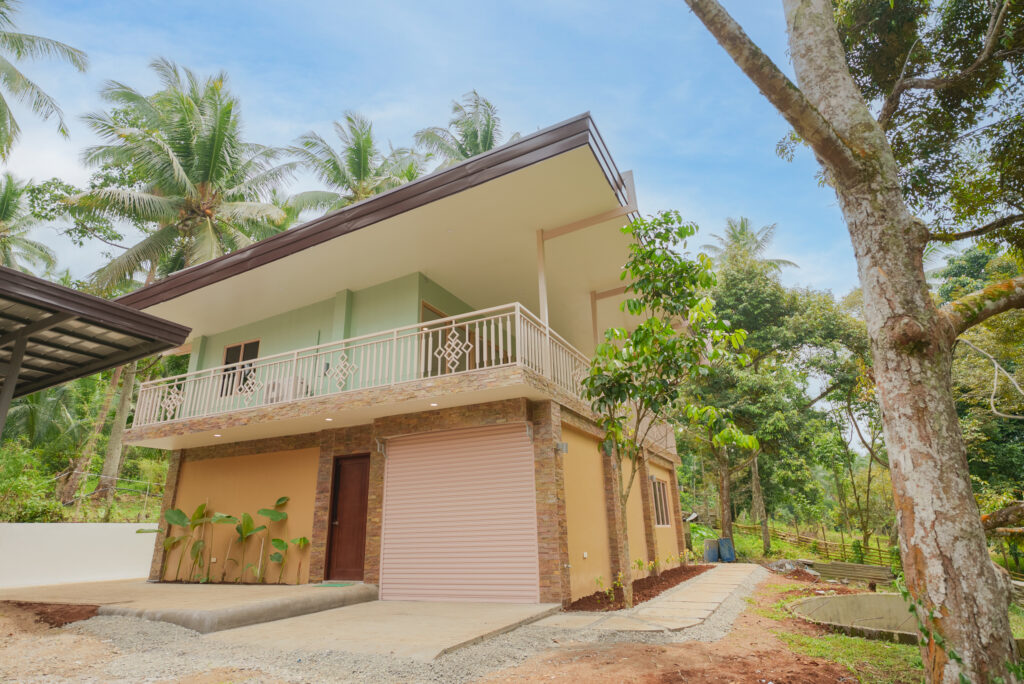
Design, for us, is never an empty canvas. It begins with culture, with lessons drawn from ancestors who built using only what the land allowed. Elevated floors, airy walls, kitchen gardens—these were not decorative gestures but ingenious responses to climate and need. In this home, such elements are not romantic relics but essential guides. Facing rising utility costs and a changing climate, we asked: can we recover these traditions and let them inform how we live today?
Harnessing the Sun
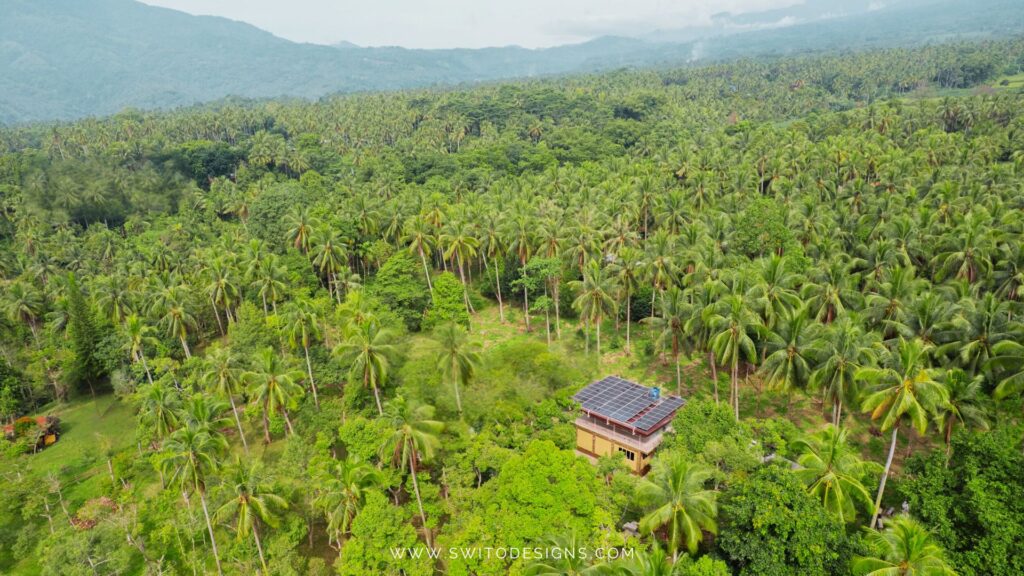
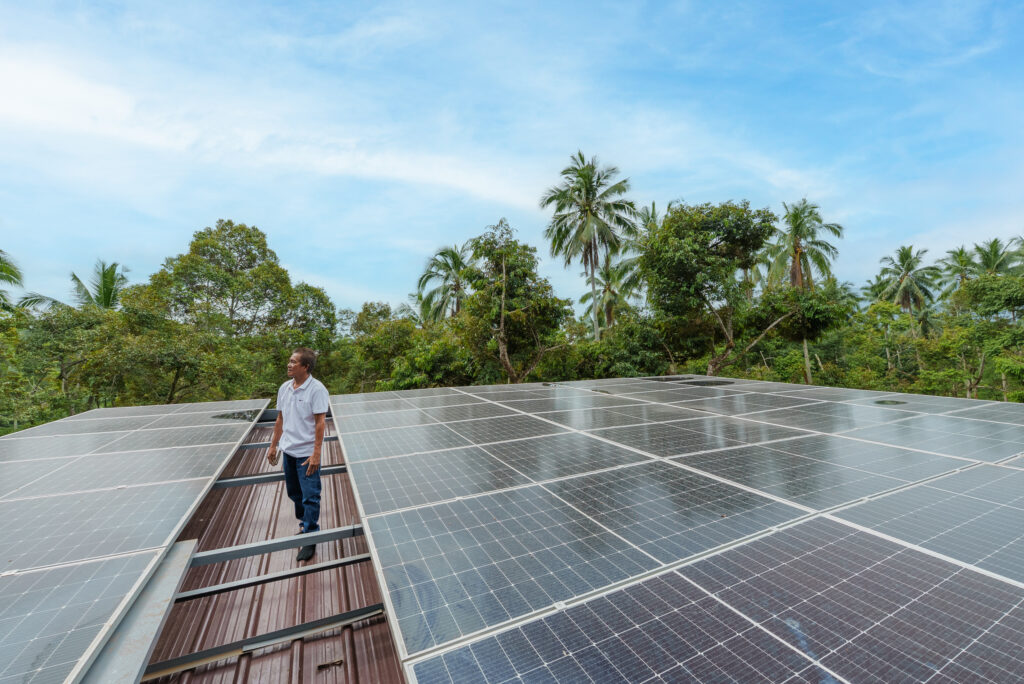
Solar panels crown the broad roof, converting abundant sunlight into daily energy. The payoff is both financial and symbolic. A family once paying ₱26,000 in monthly electricity now produces its own, breaking free from the grid. The system pays for itself in five years, proving sustainability is not only idealistic but practical. Yet beyond cost, the gesture is clear: a home thriving on its own power.
Gathering the Rain
Rain, unpredictable yet plentiful, is captured rather than wasted. Through a harvesting and pumping system, water bills are cut in half, with costs recovered in about five years. The design revives ancestral logic: collect what falls, use it with care, waste nothing. True resilience, after all, is forged in readiness for lean times.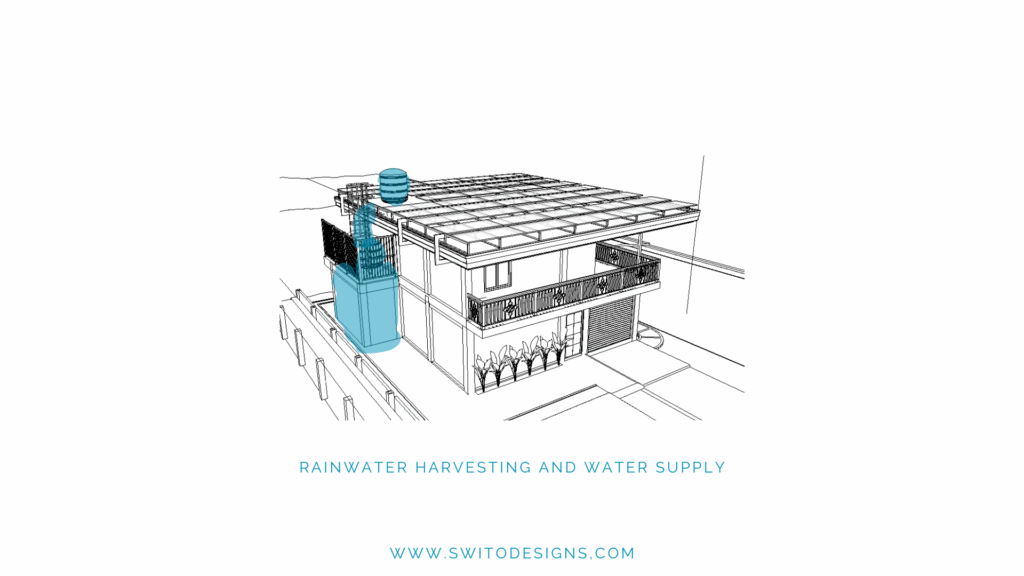
Nourishment from the Earth
The land surrounding the home is planned with intent. Square plots grow vegetables, herbs, and native plants, transforming the yard into pantry and pharmacy. Food becomes less about markets and more about stewardship. Working the soil is both sustenance and identity—an affirmation of belonging as much as a source of survival.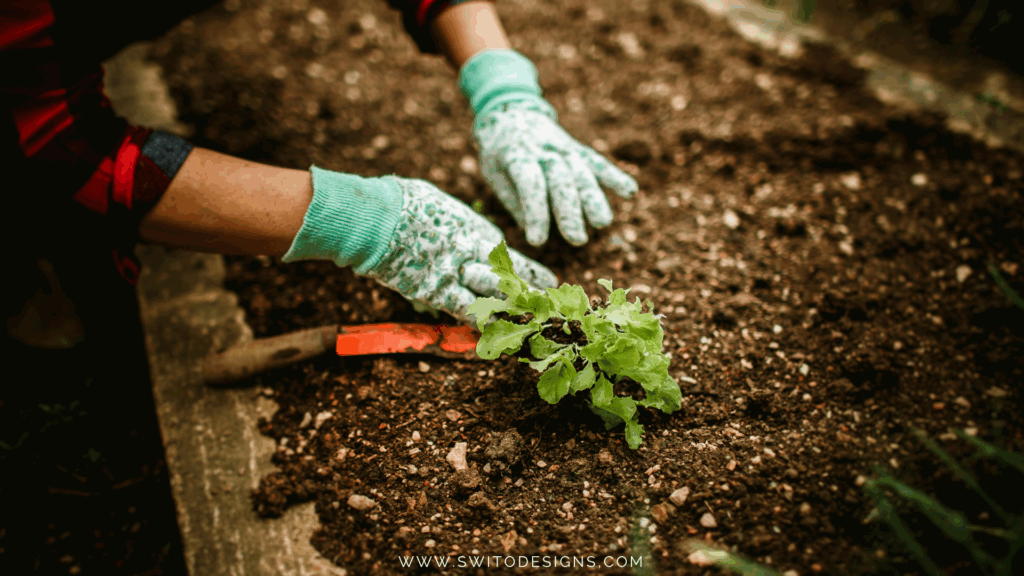
Materials that Speak of Place
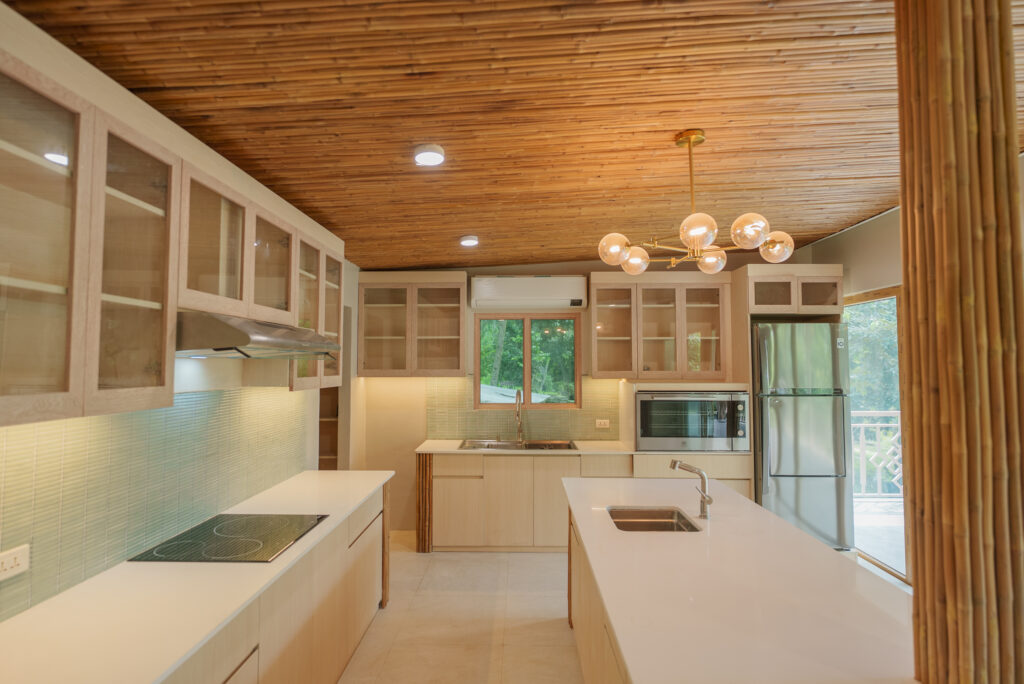
From bamboo to wood, familiar materials shape the house. These are not token symbols but chosen for their strength, availability, and cultural ties. They anchor the design in its context while offering a lesson in sophistication through locality. At a time when imports dominate, this project shows the elegance of building with what is near.
Climate in Balance
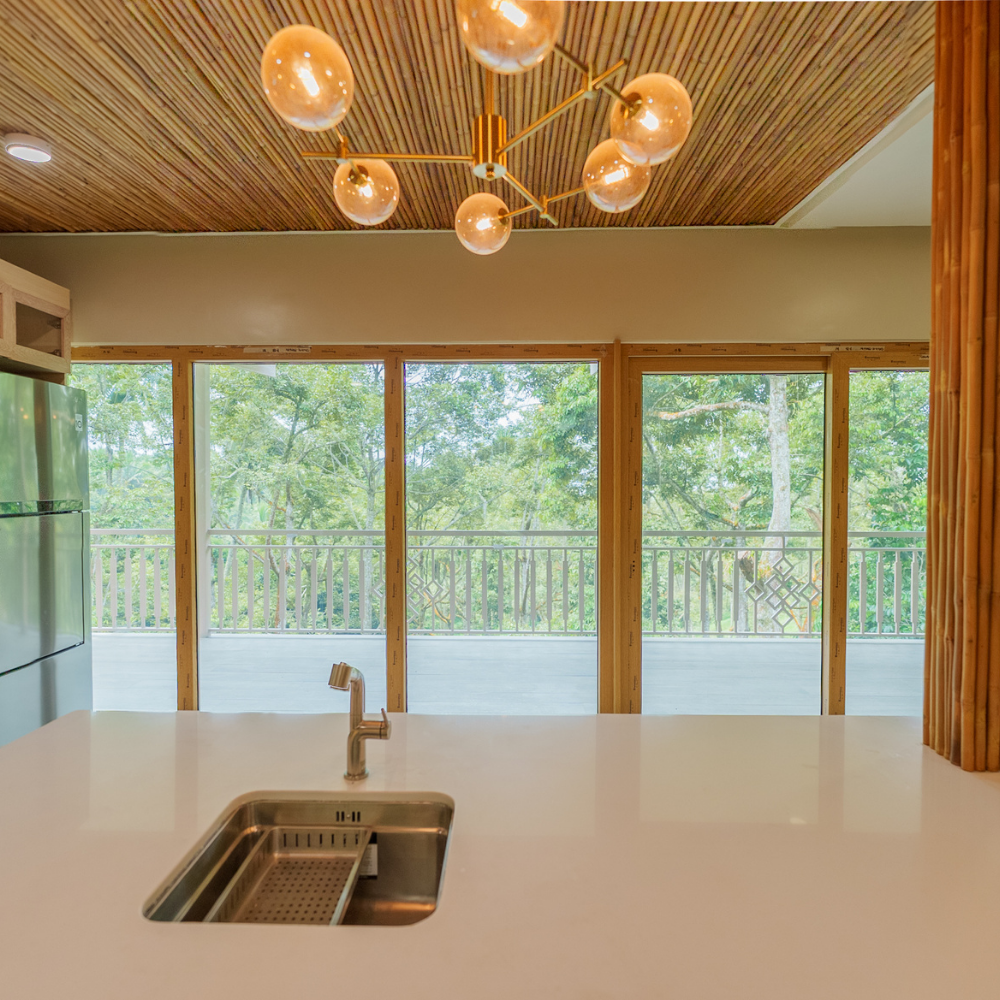
Comfort here is not achieved through machines but through design. Insulated ceilings and walls hold back the heat; cross ventilation draws breezes indoors; verandas provide shaded refuge. Sustainability becomes a lived comfort, not an austerity—a life aligned with the environment’s rhythm.
Savings that Ripple Forward
On paper, the savings are clear: power and water systems that return their costs within five years. But the deeper returns lie elsewhere. Lower bills release funds for family and community. Reduced consumption eases strain on fragile ecosystems. Cultural grounding preserves identity in a fast-changing world.
A Philippine Model
This house is not a one-off success but a prototype. It points to an architectural future that avoids the false choice between imported modernism and nostalgic mimicry. Filipino design can instead be innovative yet rooted, ecological yet graceful, forward-looking yet grounded in time-tested wisdom.
In an era shadowed by climate uncertainty, this home offers reassurance. To breathe with the sun, harvest the rain, and draw from the soil is not an unreachable dream. It is built, lived in, and thriving. In its quiet way, the house shows how architecture can be more than construction—it can be covenant with the land itself.